

Introduction
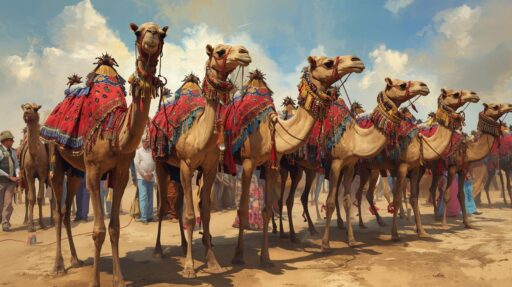
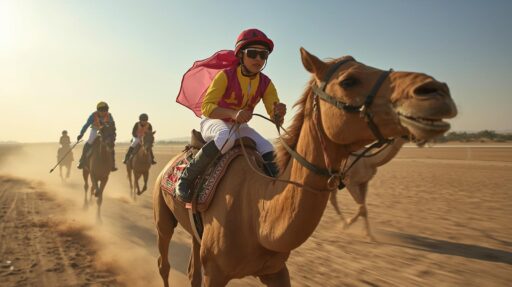
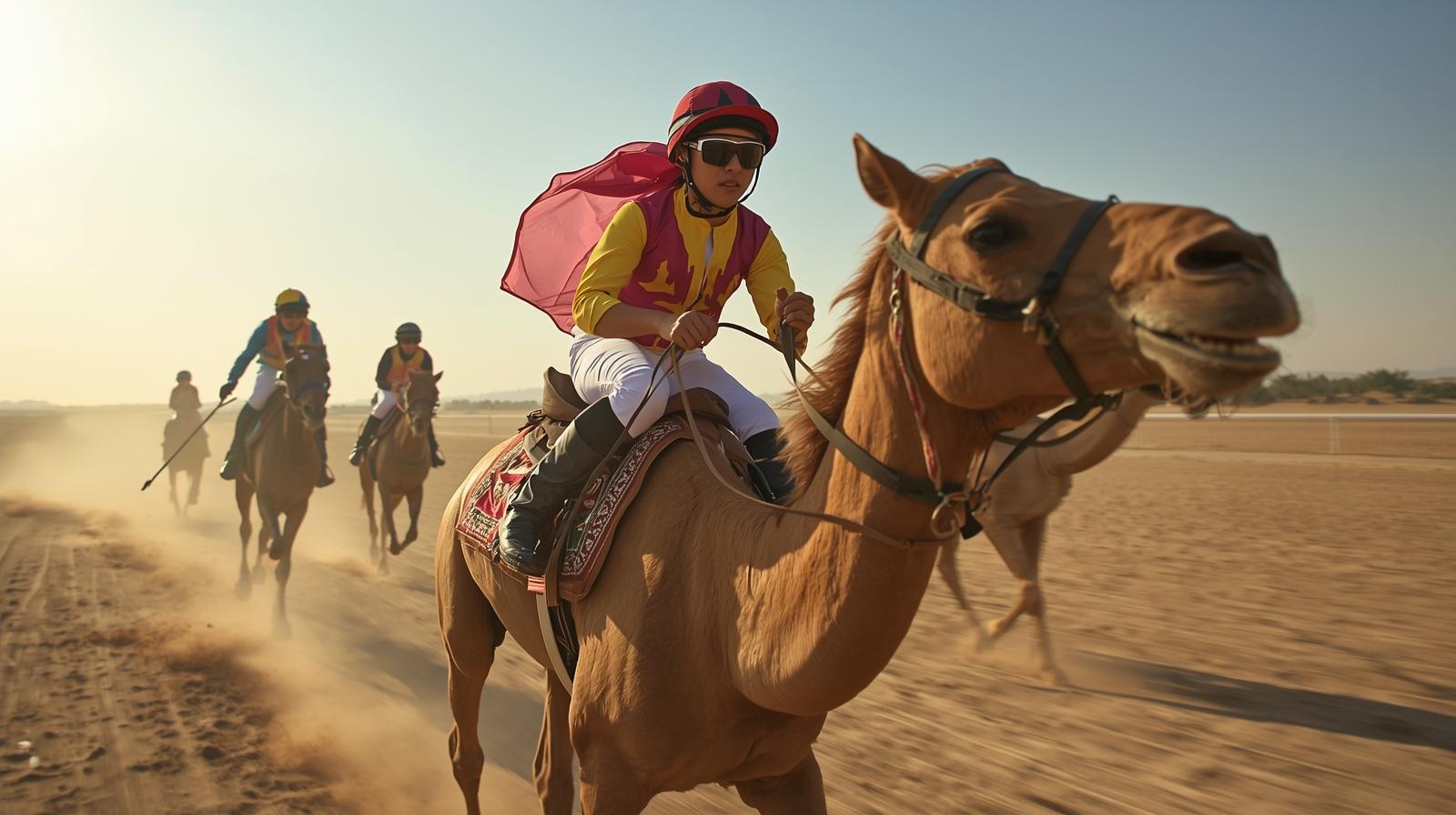
The thunder of hooves and the roar of the crowd at a camel race is a quintessential Emirati experience. For centuries, this sport was an exclusively male domain, from the owners and trainers to the jockeys themselves. However, a quiet revolution is underway, challenging tradition and reshaping the landscape of this beloved heritage sport: the rise of Al Maha Racing. This pioneering initiative trains and empowers Emirati women to become professional camel jockeys, breaking gender barriers and injecting a new, dynamic energy into the preservation of the UAE’s cultural past. This is the story of how a modern reinterpretation of tradition is ensuring its survival for the future.
A Shift from Tradition: The End of Child Jockeys and a New Opportunity
The journey to female jockeys began with a pivotal and humane decision. For decades, camel racing used lightweight child jockeys, a practice that came under international scrutiny and was ultimately banned by the UAE government in 2005. This created a vacuum and a challenge: how to maintain the sport without its traditional riders. The solution was two-fold: the introduction of robotic jockeys and, later, the innovative idea of training adult women. Given that the weight limit for jockeys is typically under 50 kg, fit and lightweight women emerged as the ideal candidates to take the reins, transforming a social challenge into an unprecedented opportunity for female empowerment.
The Al Maha Initiative: Training, Discipline, and Sisterhood
The Al Maha program, supported by the UAE Camel Racing Federation, was established to formally train Emirati women in the art and science of camel jockeying. The training is rigorous and comprehensive. The women, often in their late teens and twenties, undergo intense physical conditioning to build core strength and endurance. They learn the techniques of race riding—how to balance on the moving camel, how to use the reins and crop effectively, and crucially, how to understand the animal’s temperament and pace. The program fosters a powerful sense of sisterhood and shared purpose, as the women support each other through the physical demands and the initial societal surprise at their chosen path.
Breaking Barriers with Grace and Skill
Becoming a camel jockey is not easy. The women of Al Maha face physical challenges, from muscle soreness to the risk of falls, as well as the weight of cultural expectations. Initially, their presence in the sport was met with curiosity and some skepticism from a traditionally male-dominated community. However, they have won respect through their undeniable dedication, skill, and courage. Their participation is not framed as a protest but as a contribution—a new way to honor and sustain a national tradition. By excelling in the sport, they are proving that heritage can be inclusive and that the values of the desert—courage, resilience, and partnership with animals—are not gendered.
The Future of the Sport: A New Generation of Role Models
The impact of the Al Maha jockeys extends far beyond the racetrack. They have become national icons and role models for a new generation of Emirati girls, demonstrating that they can be both deeply connected to their culture and pioneers forging new paths. Their visibility is changing perceptions about women’s capabilities in sports and in society at large. Furthermore, their participation has brought renewed media attention and public interest to camel racing, helping to secure its relevance and popularity for the future. They are not just jockeys; they are ambassadors for a modern, evolving heritage.
Conclusion: A Winning Tradition
The story of Al Maha Racing is a powerful metaphor for the UAE’s broader trajectory: a nation that respects its past while confidently embracing progress. The women jockeys, in their colorful silks, are a vibrant symbol of this synthesis. They have taken a tradition at a crossroads and given it a new lease on life, ensuring that the beloved sport of camel racing continues to thrive. In their success, they have demonstrated that the truest way to preserve a culture is not to keep it frozen in time, but to allow it to grow, adapt, and welcome all who wish to contribute to its story.