

Introduction
In the vast desert landscapes of the UAE, the camel is not merely an animal; it is a living emblem of heritage, survival, and national pride. While camel racing is a widely recognized sport, another, more nuanced tradition runs even deeper: the camel beauty pageant, known locally as Mazayna. Far more than a simple contest of aesthetics, these pageants are a profound cultural institution that celebrates the Bedouin ethos, intricate knowledge of breeding, and the deep, symbiotic relationship between the Emirati people and the “ship of the desert.” This article delves into the world of camel beauty contests, exploring the strict criteria for perfection, the immense cultural value placed on a winning camel, and the community that thrives around this unique tradition.
The Criteria of Beauty: A Bedouin Standard of Perfection
Judging a camel’s beauty is a science and an art passed down through generations. It is not a subjective whim but a rigorous assessment based on a set of well-defined, traditional criteria. Judges, often esteemed elders with a lifetime of experience, evaluate the camels on a multitude of factors. Key among these are the size and shape of the head, which should be refined and proportionate; the length and droop of the lips; the size and placement of the ears; and the arch and length of the neck. The hump should be well-formed and correctly positioned, and the body should be muscular and balanced. The camel’s posture, gait, and overall “presence” are also critical. For female camels (athaba), the criteria can be even more stringent, focusing on traits that indicate good health and breeding potential.
The Prized Breeds: Omani and Mahaliyat
Within the pageant world, specific breeds are highly prized. The Omani camel, known for its tall, majestic stature and dark coat, is often a top contender. The Mahaliyat, or local breeds, are also celebrated for their specific adaptations to the Emirati environment. The color of the coat is another significant factor. Pure white (wadh) or golden (shahba) camels are traditionally the most valued, though deep brown and other shades also have their devotees. The condition of the coat is paramount; it must be clean, glossy, and well-groomed, a testament to the owner’s care and investment. A single camel that meets these exalted standards can be worth millions of dirhams, representing a significant financial and social asset.
The Pageant as a Social and Economic Hub
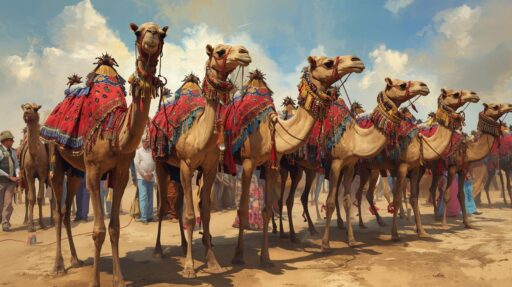
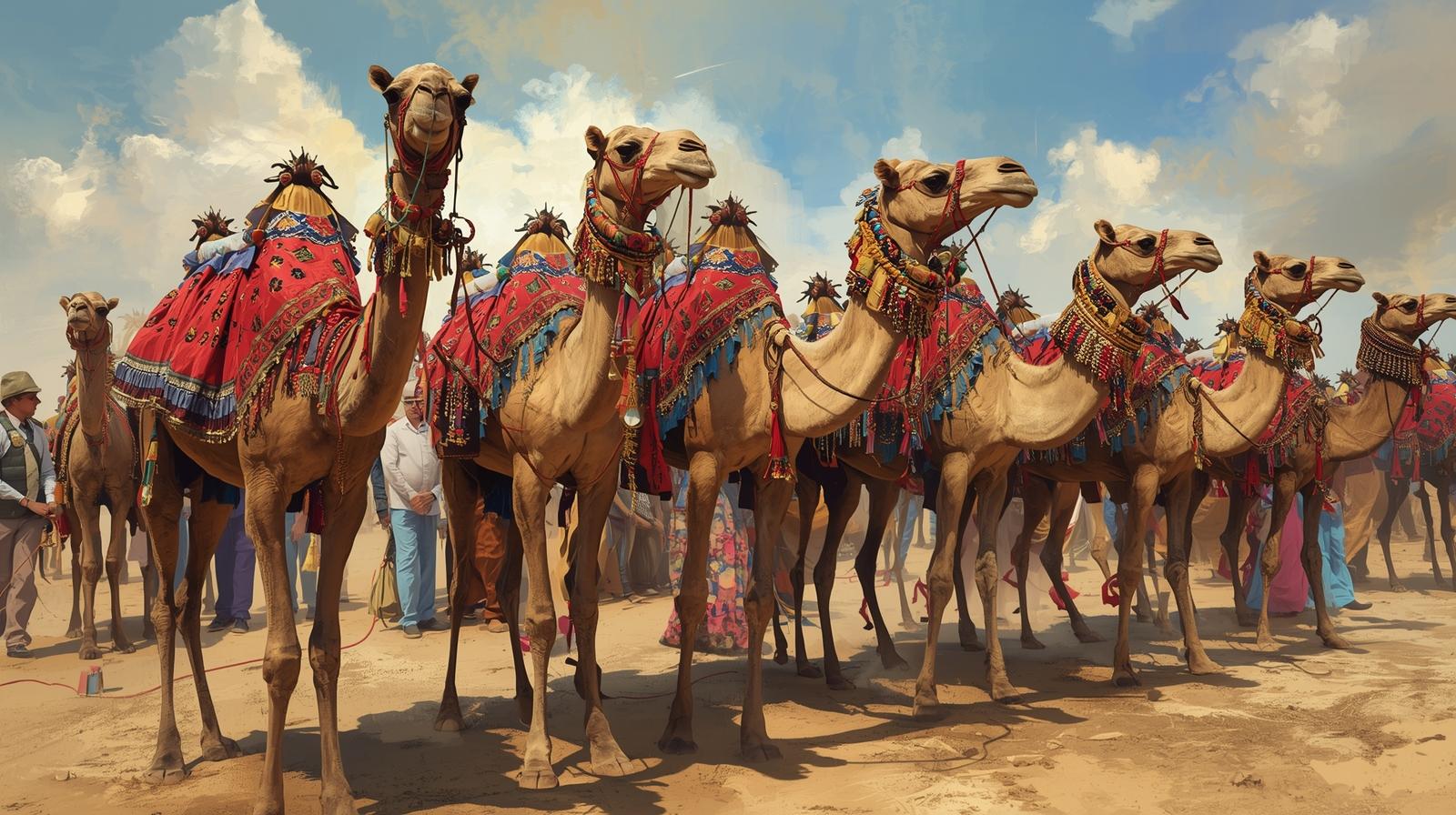
A major camel beauty pageant, such as the prestigious Mazayna Dhafra in the Western Region, is a massive social event that transforms the desert into a vibrant temporary city. Thousands of camels and their owners, accompanied by families and support crews, gather for days of competition, socializing, and commerce. The atmosphere is a unique blend of a county fair, a high-stakes auction, and a family reunion. It is a place where tribal connections are reinforced, breeding knowledge is exchanged, and business deals are struck. The winning of a major title brings immense prestige (sharaf) to the owner and their tribe, elevating their status within the community. The pageant is, therefore, a key mechanism for preserving social structures and transmitting cultural values to the youth.
The Science of Care: Nutrition, Training, and Grooming
Preparing a camel for a beauty pageant is a year-round, labor-intensive endeavor. It involves a team of dedicated caretakers, or mzayyen. The camel’s diet is meticulously planned, consisting of a special mix of grains, dates, alfalfa, and vitamins to ensure optimal health and a gleaming coat. Training involves daily walks to build muscle tone and perfect its gait. The grooming process is particularly elaborate. The camels are washed with specialized soaps, their coats are conditioned with natural oils, and their hair is carefully styled. In the final days before the competition, they are often covered in custom-fitted blankets to protect their pristine coats from the sun and dust. This level of care reflects the deep affection and respect the owners have for their animals.
Conclusion: A Living Heritage in a Modern Age
Camel beauty pageants are a powerful symbol of the UAE’s commitment to its roots. In a nation defined by hyper-modernity, the Mazayna stands as a cherished link to the Bedouin past. It is a tradition that has not only survived but has flourished, supported by the patronage of the ruling families and the enthusiasm of the people. These contests are more than a hobby for the wealthy; they are a living, breathing celebration of a cultural cornerstone. They ensure that the knowledge, values, and profound respect for the camel—the animal that made life in the desert possible—are not lost but are honored and perpetuated for generations to come.