

Introduction
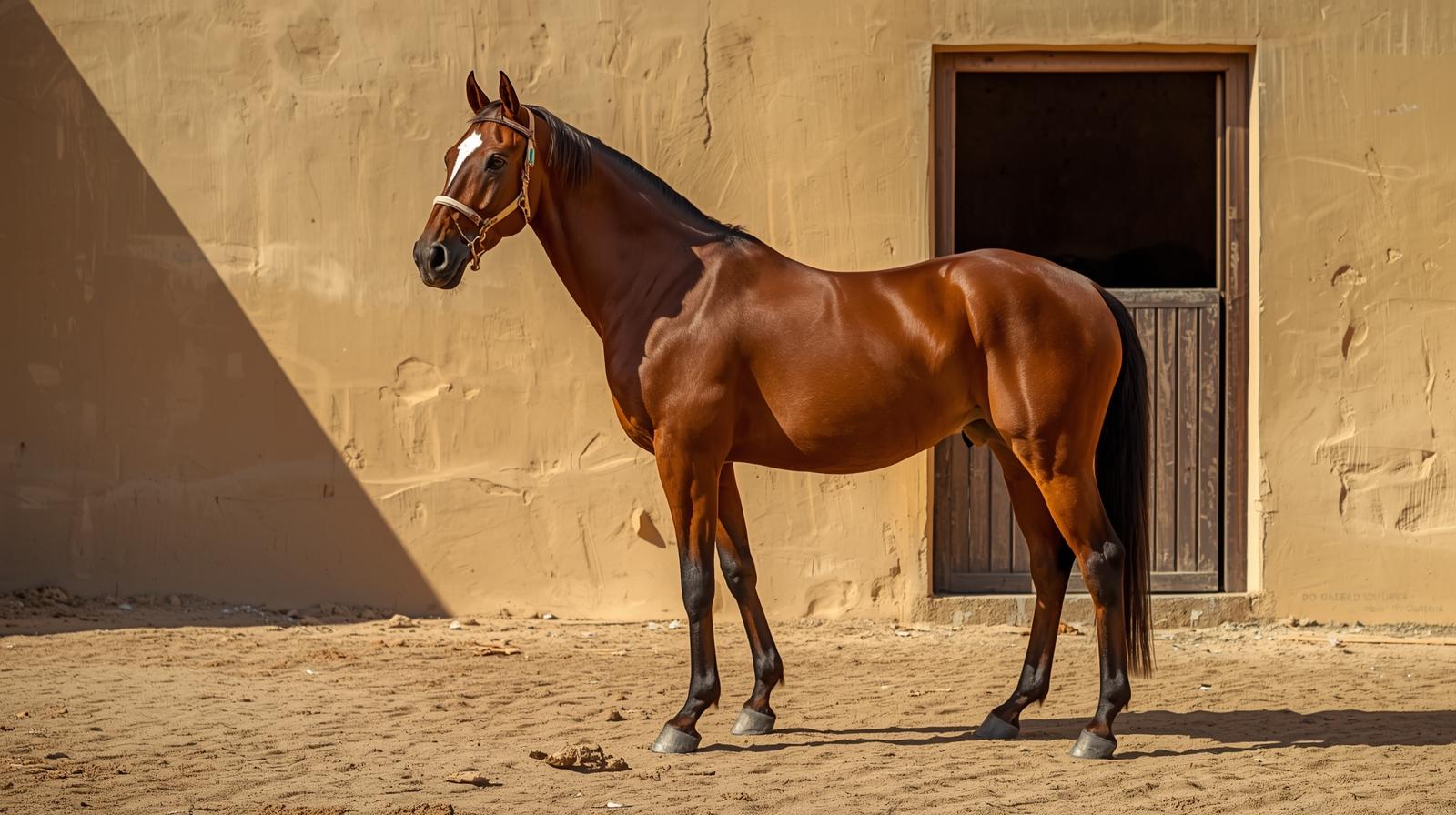
The story of the Arabian horse is woven into the very fabric of Arab identity, celebrated for its beauty, intelligence, endurance, and deep-rooted history in the peninsula. For the Bedouin tribes, the horse was a cherished companion in war and peace, a symbol of status, and a member of the family. The UAE, inheriting this profound legacy, has become a global epicenter for the preservation and celebration of the purebred Arabian horse. This commitment goes beyond sport and prestige; it is a national mission to safeguard the genetic and cultural heritage of the “Drinker of the Wind,” ensuring the survival of bloodlines that have been meticulously documented for centuries.
The Bedouin Legacy: The “Asil” Horse and the Five Lines
The Bedouin held the concept of “asil” (pure, original) in the highest regard. They maintained the purity of their horses through an oral tradition of genealogy, known as the “ansab.” Through this rigorous selective breeding, they developed the five foundational strains or families of the Arabian horse, each named for a legendary founding mare: Keheilan, Seglawi, Abeyan, Hamdani, and Hadban. Each strain was prized for specific characteristics—the Keheilan for its strength and power, the Seglawi for its refinement and elegance, and so on. This deep knowledge of lineage and trait inheritance is the bedrock upon which modern Arabian horse breeding is built, and it is a knowledge that Emirati breeders have studied and revered.
The Modern Guardians: The UAE’s Role in Global Preservation
With the resources and vision made possible by the modern UAE, the nation has stepped into a leadership role as a global guardian of the breed. Major breeding establishments, such as the Al Aryam Stables in Abu Dhabi and the Dubai Stud, are world-renowned. They combine state-of-the-art veterinary science with traditional Bedouin knowledge to manage some of the most important collections of purebred Arabian horses on the planet. The UAE actively seeks out and acquires horses of impeccable, rare lineage from around the world, not only to enhance their own stables but to protect these genetic treasures from being lost or crossbred into obscurity.
The “Source of the Source”: The WAHO and the Emirati Influence
The UAE’s influence extends to the highest levels of international equine governance. The World Arabian Horse Organization (WAHO), the global authority for the registration and preservation of purebred Arabians, has its permanent headquarters in Sharjah. This placement is symbolic and practical; it acknowledges the region as the historical and cultural “source of the source” of the breed. Emirati experts play a leading role in WAHO, helping to set global standards for registration, DNA testing, and ethical breeding practices, ensuring the integrity of the breed for future generations worldwide.
A Living Culture: Horsemanship as a National Value
The preservation of the Arabian horse in the UAE is not confined to stables and studbooks; it is a living part of the national culture. Equestrian sports, particularly endurance riding, are immensely popular, testing the very qualities the Arabian horse was bred for: stamina, heart, and a partnership with the rider. The values of horsemanship—patience, courage, discipline, and respect for the animal—are actively promoted among the youth. Programs and schools introduce young Emiratis to riding, ensuring that the emotional and cultural connection to the horse is passed on, creating not just future breeders, but future custodians of the tradition.
Conclusion: A Bridge Across Time
The UAE’s dedication to preserving traditional Arabian horse bloodlines is a profound act of cultural continuity. It represents a bridge between the Bedouin tent and the modern show ring, between the oral ansab of the past and the DNA testing of the present. By investing so deeply in this living heritage, the UAE does more than maintain a breed of horse; it safeguards a pillar of its identity. The graceful silhouette of the Arabian horse, whether galloping across the desert or standing proudly in a champion’s circle, remains an enduring symbol of the nation’s soul—a beautiful, powerful, and timeless link to its deepest history.